
Empowering Women, Transforming Rural Communities
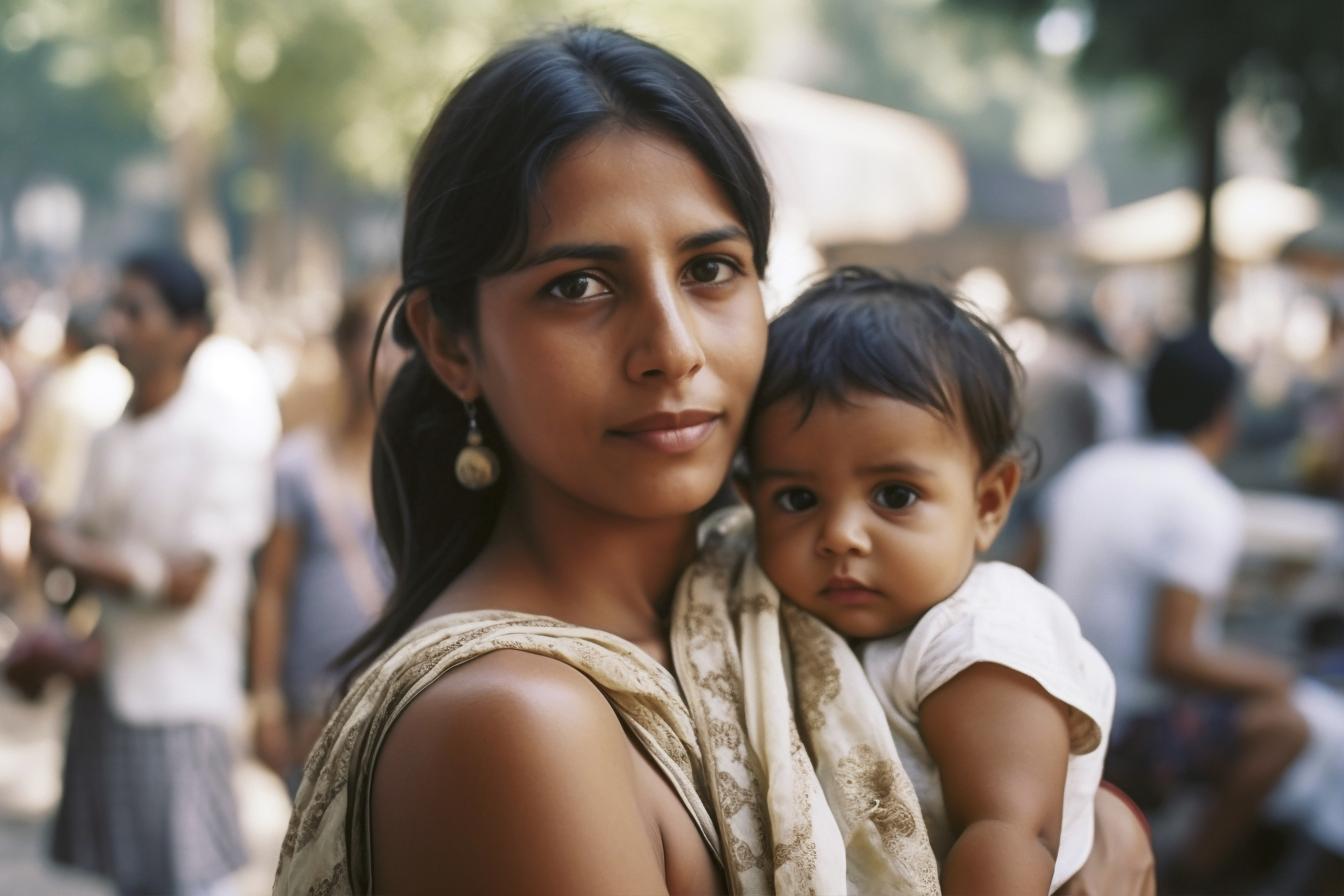
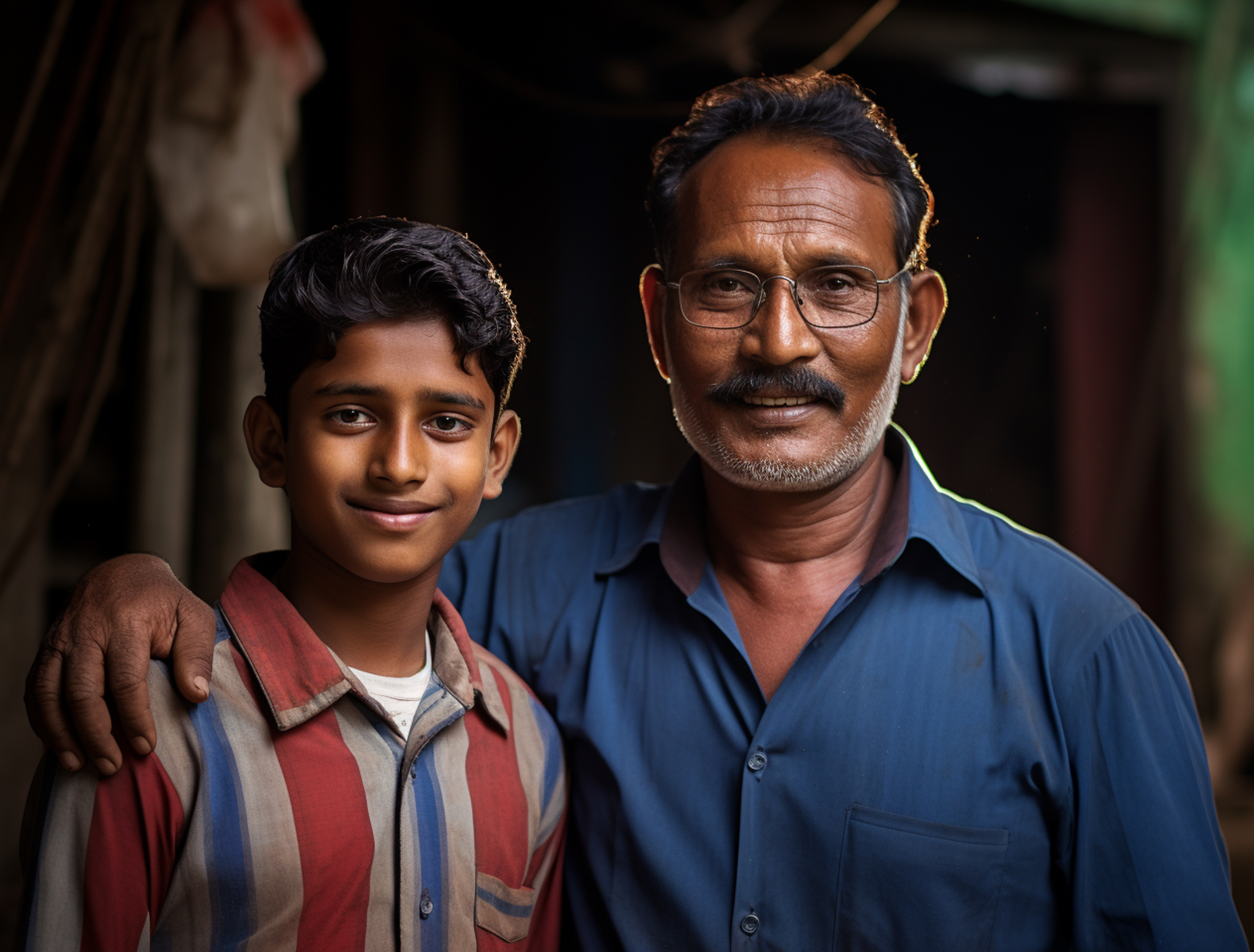
“Empower, Elevate, and Enrich Rural Lives” embodies the core mission of the NGO: to create lasting change in rural communities by uplifting women and fostering social development. Through education, skill-building, and sustainable programs, the NGO aims to empower women to take control of their futures, elevate their roles within their communities, and enrich the quality of life for everyone involved. By focusing on gender equality, economic opportunities, and rural progress, the organization strives to build a more inclusive and prosperous society for generations to come.

About Us
Discover a world of possibilities
Mahila Khadi Gramya Sewa Sansthan, Barabanki was estabilished in the year 1993 on the occasion of the national festival of Independence Day on 15th August by a group of social workers dedicated to social service. Its registration was done under the Society Registration Act 21 of 1860. The institute was registered on 30th September, 1993 and its registration number is F-619/1993-94.
Our Journey
From 1993 to 1999, the institute, with the support of the District Rural Development Agency (DRDA) of the Rural Development Department, trained 2000 rural youth under the TRYSEM scheme and placed them in employment by providing them financial assistance from their area banks.
From the year 2000 to the year 2005, under the Golden Jubilee Gram Swarozgar Yojana (SGSY) of the District Rural Development Department, a total of 290 Self Help Groups saving banks accounts and CCL bank accounts in the district Barabanki and Faizabad provided training to 3480 womens through SGSY scheme. Was established in employment
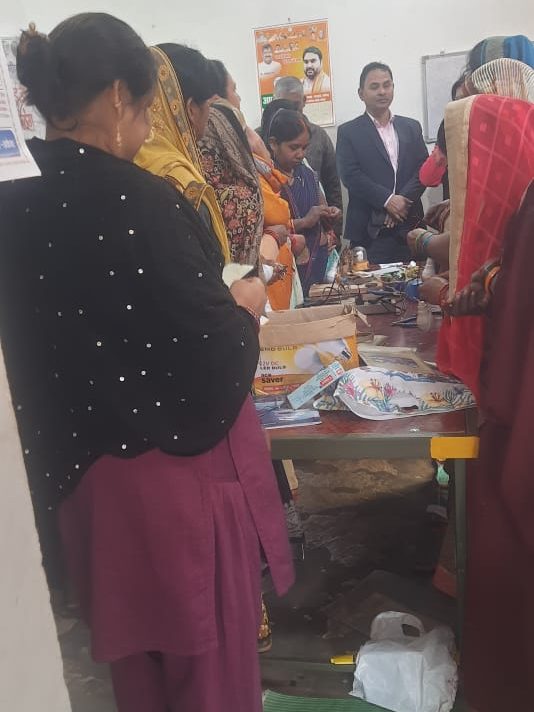
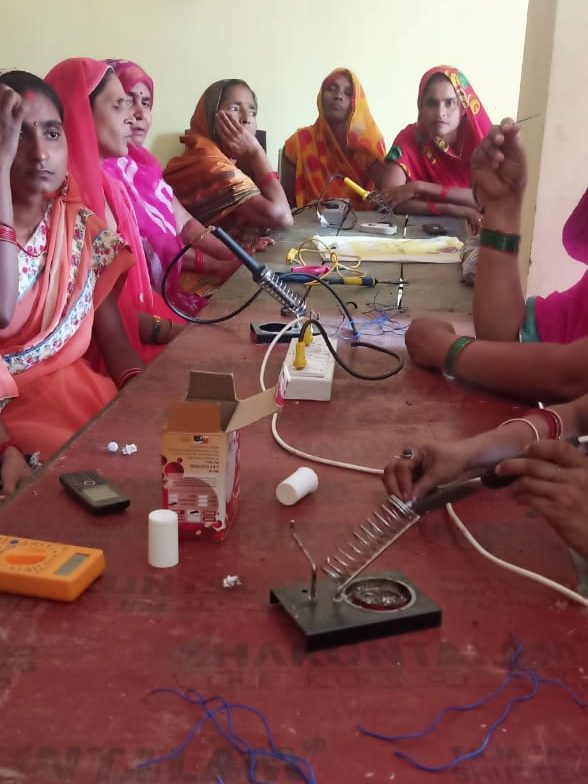
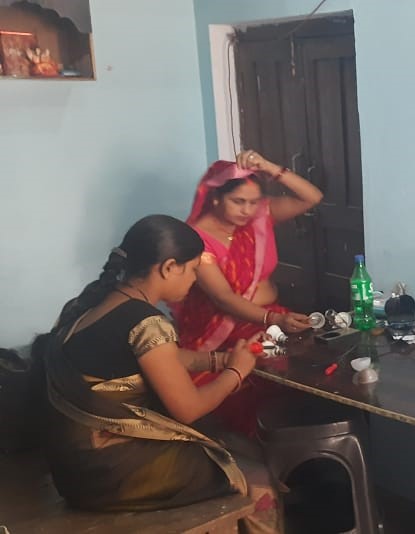
Since 2006, the institute has been working as a partner agency of NABARD. With the help of NABARD, by mobilizing 3500 self-help groups, 3250 groups have been sanctioned loans from banks and since 2006, 13500 women have been employed. Under the MEDP in the institute with NABARD, 30-30 women have been employed by training them in sewing machine, agarbatti making, food processing, papad making, dona pattal making and washing powder making and their marketing is going on. With the help of NABARD, 60 women of the group were trained in tie-dye and screen printing on textile and employed in LEDP Antar district Barabanki. Similarly, in district Ayodhya, 90 women of the group were trained and employed in making solar led bulb, led Jhalar, solar led lantern assembling and repairing under the banner of NABARD.
Vision
Striving to enable poor rural house hold and communities to be self reliance and sustainable
Mission
To enhance the ability of poor house hold and specially women for increasing significantly their incomes and livelihoods
Our Programmes

Promotion of Farmers Producer Organizations
Farmers Producer Organizations (FPOs) are crucial for empowering farmers and increasing their income. By uniting small and marginal farmers, FPOs provide collective bargaining power, access to credit, technology, and markets. This collaborative approach not only strengthens individual farmers’ positions but also contributes to the overall growth and development of the agricultural sector. Government support and promotion of FPOs are essential for ensuring farmers’ sustainable livelihoods and rural communities’ prosperity.

HIV/AIDS Prevention Programme
A comprehensive HIV/AIDS prevention programme involves educating about safe sex, providing access to condoms, promoting regular testing, and offering antiretroviral medication to those at risk. Initiatives to reduce stigma, raise awareness, and support affected individuals are also crucial. By addressing social, cultural, and medical aspects, such a programme can greatly slow the virus’s spread and improve the quality of life for at-risk individuals.
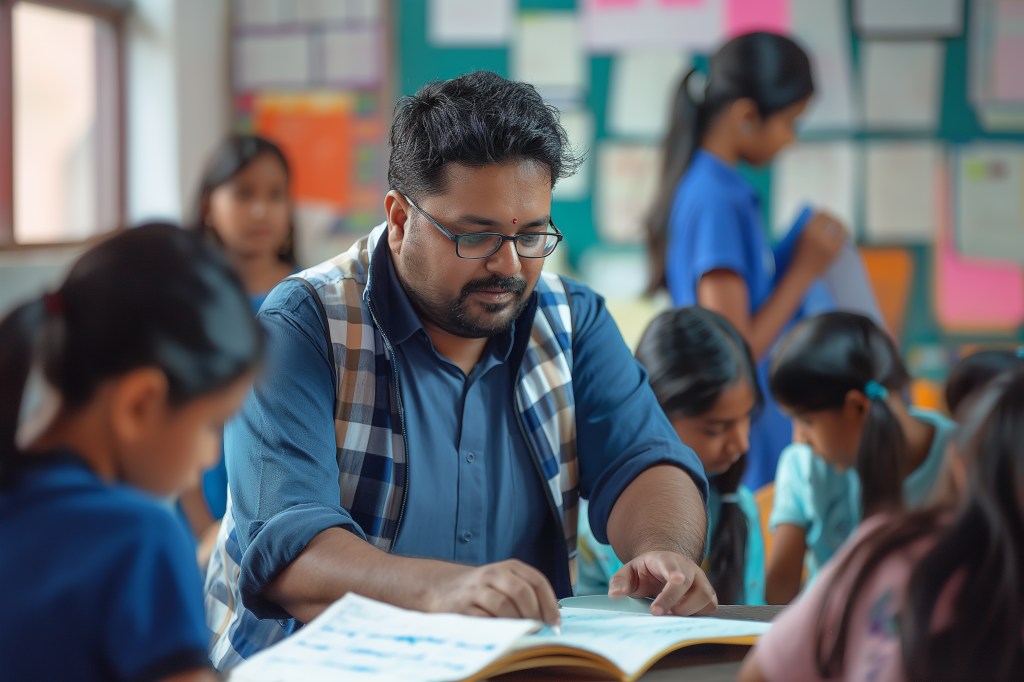
Remedial Education Project for under privilege children
A comprehensive HIV/AIDS prevention program involves various strategies to reduce the virus’s spread. These strategies include promoting awareness of transmission and prevention, providing testing and counseling services, advocating for condom use, implementing harm reduction initiatives for at-risk groups, and addressing social and cultural factors contributing to the virus’s spread. Education on regular testing, early detection, and access to antiretroviral therapy is also important in preventing new infections and improving the quality of life for those affected by the virus.
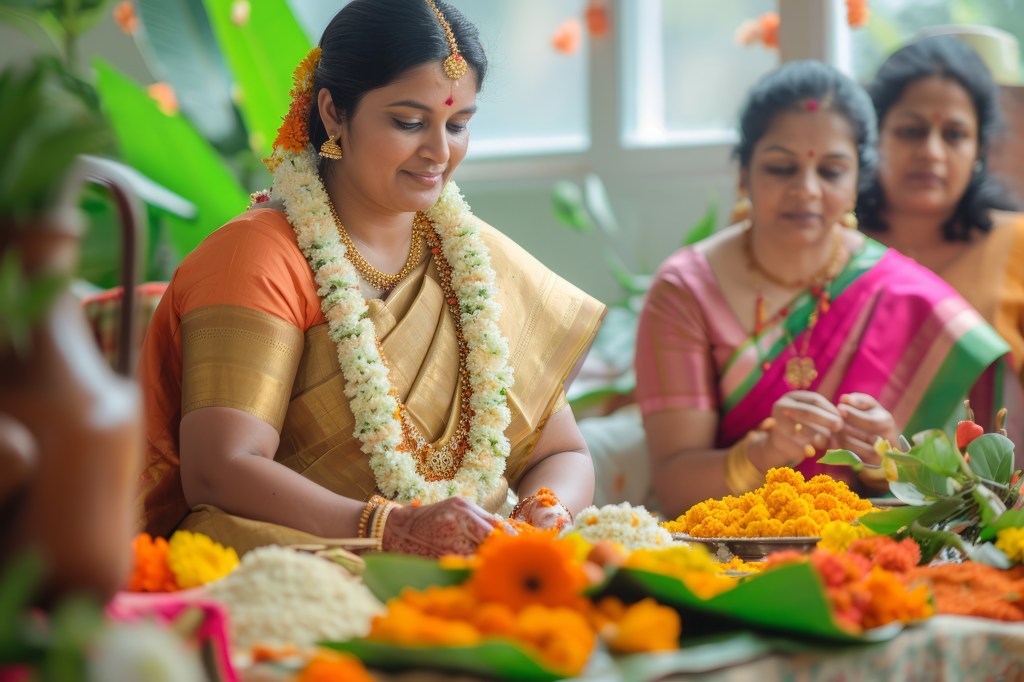
Nutrition Food Project for under Privilege
The implementation of nutrition projects for underprivileged communities is crucial for addressing food insecurity and promoting healthy living. These initiatives provide access to nutritious food, balanced diet education, and support from government, non-profit organizations, and community partnerships, improving well-being and long-term health outcomes. Focusing on locally sourced and culturally relevant food options enhances effectiveness and sustainability.
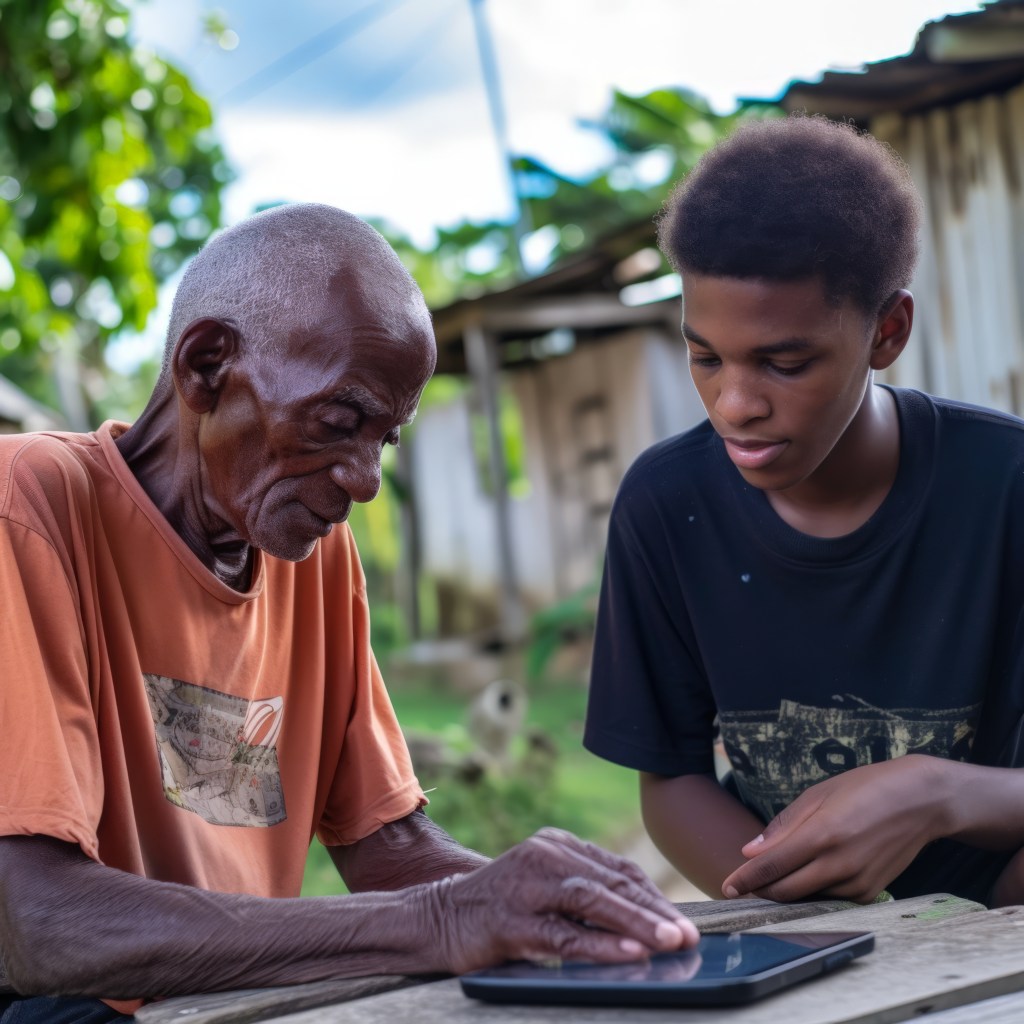
Skill Development Trainings To Unemployed Youth
Skill development trainings are crucial for empowering unemployed youth and enhancing their job prospects. By offering vocational courses, technical workshops, and professional development programs tailored to the local industry, we can provide practical knowledge and hands-on experience to maximize their employability. Soft skills training in communication, teamwork, and problem-solving further enhances their readiness for the workforce, addressing youth unemployment and fostering economic growth.

Mobile Dispensary Project for Tribal Community
A mobile dispensary for tribal communities provides essential healthcare services directly to remote areas by equipping a vehicle with medical supplies and staffed with healthcare professionals. This initiative aims to bridge the healthcare access gap by offering basic medical consultations, distributing medications, providing immunizations, and offering health education. Additionally, the project supports HIV/AIDS prevention through information, testing, and access to resources, contributing to the overall well-being of the tribal community.



Our Success Stories



Location
Head Office: Shantipuram Colony, H.No.-VB-0598, Behind Regal Palace, Near Avas Vikas Colony, District-Barabanki-225001, Uttar Pradesh, INDIA
Registered Address: Village-Gurela, P.O-Nasir Nagar, District-Barabanki-225204, Uttar Pradesh, INDIA.